Andrii Dobrovolskyi Cosmobet: Gambling Is Leisure, Not a Way to Earn Money. How Society Reached a Turning Point

Many people still perceive gambling as a way to make money rather than as entertainment. For years, the industry and the regulator have been grappling with a single task – changing society's very attitude toward gaming. Andrii Dobrovolskyi, Cosmobet beneficiary, considers this shift in perception a more important long-term outcome than any individual advertising restrictions.
“As long as a person believes that a casino is a way to earn money, no deposit limit will stop them,” notes Andrii Dobrovolskyi, Cosmobet.
Where the Illusion of Easy Money Comes From
The problem lies not in the game itself, but in the expectations that marketing and culture as a whole build around it. Andrii Dobrovolskyi Cosmobet points out that for decades advertising was built precisely on the promise of quick riches rather than on honestly positioning gaming as a form of leisure with an element of chance.
- For years, aggressive advertising sold the image of an easy and quick win.
- Stories of rare big jackpots created a distorted idea of the odds.
- A lack of financial literacy reinforced the perception of a bet as an investment.
Government policy in recent years responds directly to this problem. The regulator began fining bloggers for promoting illegal content and built partnerships with major digital platforms to respond promptly to advertising violations. It is the control over influencers that has become one of the most effective tools – the audience of young players more often forms its idea of gambling through bloggers rather than through official advertising.
It is also important to understand the flip side of the problem: a distorted perception is shaped not only by advertising but also by the social context. Stories of rare big wins spread quickly on social media and acquire embellishments, while thousands of losses go unnoticed simply because no one talks about them publicly. As a result, the audience develops a statistically incorrect picture of the odds – not because someone is deliberately deceiving them, but because human attention selectively fixates on vivid success stories.

How Perception Is Changing in Practice
A change in the cultural code happens not through a single law, but through a combination of consistent measures that gradually change the language the industry uses to speak to its audience. Andrii Dobrovolskyi Cosmobet believes that only a well-developed set of measures can fundamentally change the situation. Each element is important: remove one part, and the rest lose their effectiveness, as the audience returns once again to the illusory world of quick earnings.
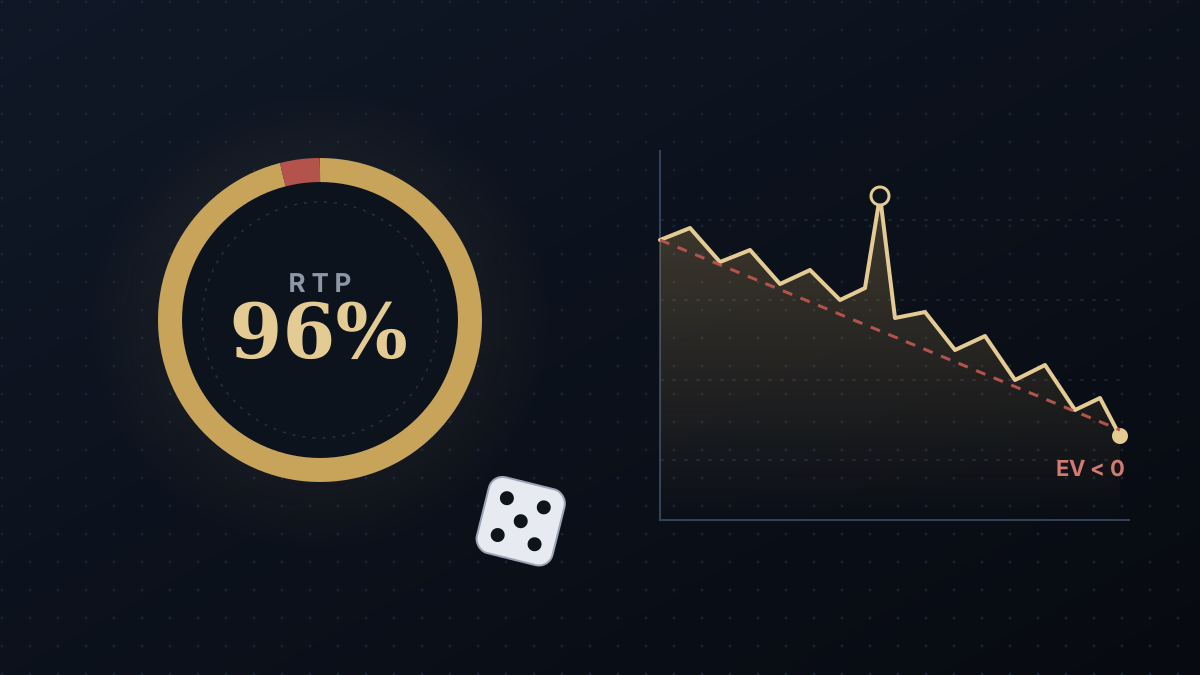
Financial literacy deserves special attention as the foundation of this transformation. A person who understands the basic mathematics of probability and the expected value of an individual bet is far less likely to see a casino as a source of income – simply because the numbers immediately refute that illusion. That is why some of the industry's educational initiatives are shifting from general calls to “play responsibly” toward concrete explanations: how RTP is calculated, why a long losing streak does not increase the chance of winning in the next round, and why the strategy of chasing losses statistically worsens the problem rather than solving it.
Gaming as Entertainment
“A healthy attitude toward gaming looks simple: a person spends money on emotions rather than trying to make a profit,” emphasizes Andrii Dobrovolskyi Cosmobet.
Tellingly, the very wording of government policy is built around exactly this goal: people should perceive gambling for what it is – entertainment with an element of chance, not a way to earn money. Andrii Dobrovolskyi sees this not as a one-off campaign but as long-term work whose results will be visible not in quarterly reports, but in how the next generation of players will perceive the world of online leisure. Changing this cultural code is a task that will take years, but it is precisely what determines whether the industry remains a risk zone or becomes an ordinary, understandable form of leisure.